Soundmay: A Vintage Script for Modern Branding
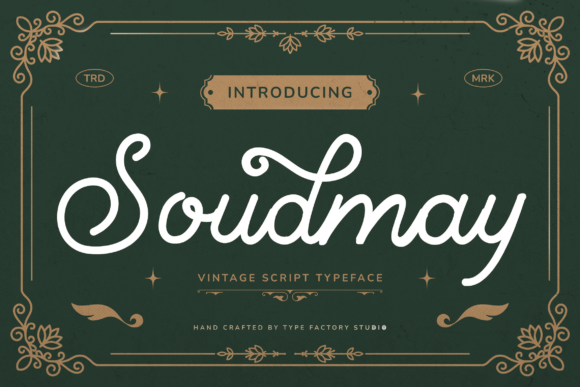
In the crowded world of digital design, a typeface with genuine character can be the key to making a brand feel authentic and memorable. Soundmay, a vintage script typeface, offers exactly that—a direct connection to the warmth and craftsmanship of classic hand-lettered signage and retro branding styles. Its flowing, connected letterforms provide an immediate sense of personality and history, making it a powerful tool for designers aiming to evoke nostalgia or artisanal quality.
Understanding Soundmay's Design DNA
Soundmay is more than just a decorative font; it's a purpose-built creative asset inspired by mid-20th century commercial lettering. Its design features include natural stroke variations, subtle imperfections, and a rhythm that mimics the work of a skilled sign painter. This gives it a human touch that sterile, geometric sans-serifs often lack. In modern graphic design, where authenticity and emotional connection are paramount, a typeface like this serves as a bridge between contemporary aesthetics and timeless appeal.
Practical Applications Across Creative Projects
The versatility of a well-crafted script allows it to enhance a wide array of design applications. Its primary strength lies in projects where a personal, handcrafted, or retro vibe is desired. Consider integrating this style into your design workflow for:
- Brand Identity & Logo Design: It excels as a primary logotype for businesses in the food and beverage, boutique retail, artisan crafts, or heritage-inspired industries. It instantly communicates a brand story rooted in tradition and quality.
- Packaging Design: Use it for product names on labels, tags, or boxes to add a premium, handcrafted feel that stands out on shelves and in online marketplaces.
- Marketing & Social Media Graphics: Create eye-catching headlines for posters, flyers, Instagram stories, or Facebook ads. Its flowing style draws the eye and improves visual hierarchy, guiding viewers to key messages.
- Editorial & Web Design: Sparingly use it for section headers in magazines, blog post titles, or website hero sections to inject personality without compromising overall readability and user experience.
- Merchandise & Apparel: Its style is perfect for apparel graphics, tote bags, mugs, and other merchandise where a vintage or handwritten logo style enhances the product's appeal.
Integrating Vintage Scripts Effectively
While a script like Soundmay adds significant flair, its effectiveness depends on thoughtful application within a broader visual system. Here are key considerations for professional presentation:
- Prioritize Readability: Use it for short, impactful text—headlines, logos, and callouts. Avoid setting long paragraphs in script, as this hinders reading speed and accessibility. Pair it with a clean, neutral sans-serif for body copy to maintain clarity.
- Establish Visual Hierarchy: Let the script dominate as a focal point. Use size, weight, and color contrast to ensure it commands attention without overwhelming other design elements.
- Consider Audience & Context: A vintage script aligns perfectly with brands targeting audiences that appreciate nostalgia, craftsmanship, or a relaxed lifestyle. It may be less suitable for corporate tech or finance sectors where modern, minimal aesthetics dominate.
- Test Scalability: Ensure the font remains legible at both small sizes (like a favicon) and large formats (like a billboard). Check that its intricate details don't blur or clump when scaled down.
- Harmonize with Color and Imagery: Pair it with a color palette that complements its vintage nature—think muted tones, earthy colors, or classic black and white. Imagery should support the retro or handcrafted theme to create a cohesive brand experience.
Choosing the right typographic elements is a fundamental decision in visual communication that impacts everything from brand perception to user engagement. A typeface like Soundmay, when used with intention and skill, can transform a standard design into a compelling narrative. It demonstrates how investing in high-quality creative assets elevates not just the aesthetics of a project, but its ability to connect and communicate effectively with its intended audience.