Sublimation: The Art of Infusing Design with Depth and Emotion
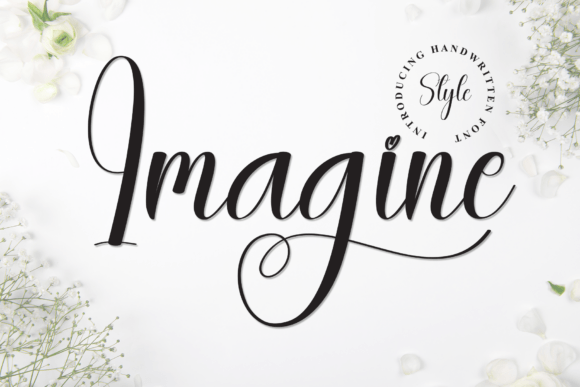
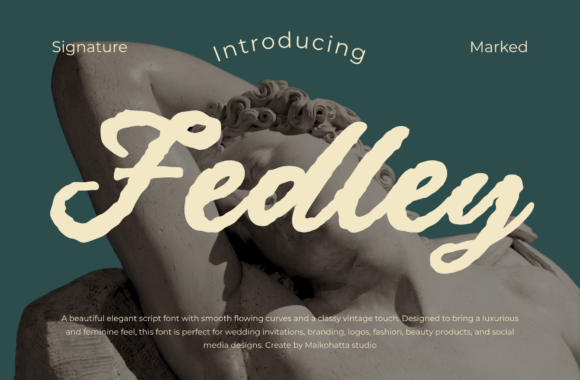
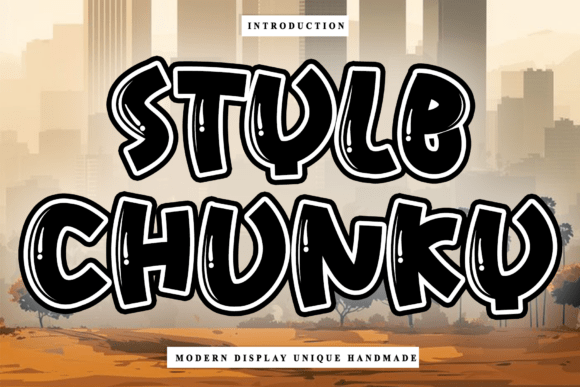
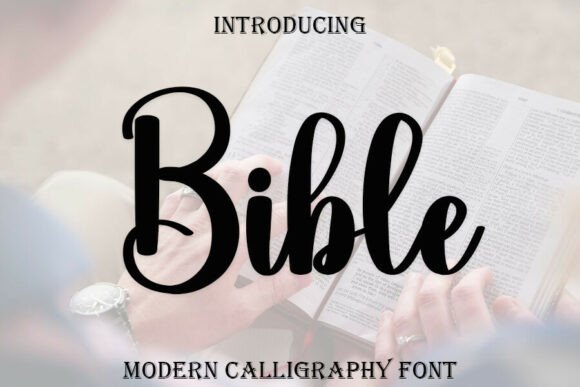
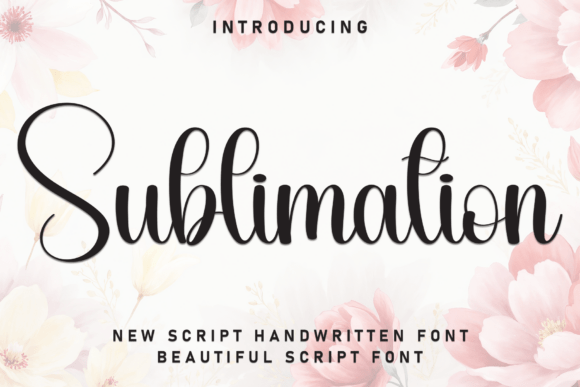
In the realm of graphic design, true magic happens when a concept transcends its medium, much like the process of sublimation where a solid transforms directly into a vibrant, permanent gas. This principle is at the heart of crafting compelling visual narratives, where every element, from color to composition, must seamlessly integrate to create an enduring impression. One such element that embodies this transformative quality is a meticulously crafted typeface, like our artistic handwritten display font. It doesn't just sit on a page; it infuses a design with a sophisticated allure, nostalgic charm, and a whimsical energy that captivates the viewer.
Understanding Sublimation in Modern Design Practice
In design terminology, sublimation refers to the process where a style, theme, or emotional quality is so deeply embedded into a visual asset that it becomes inseparable from the viewer's experience. It's the difference between a design that is merely seen and one that is truly felt. This is crucial for effective visual communication and strengthening brand identity. When a typeface or visual motif successfully sublimates into a project, it enhances the overall aesthetic, improves user engagement, and elevates the perceived quality of the content, whether it's for digital marketing, packaging, or editorial design.
Practical Applications for Transformative Typography
A font with inherent character, such as a whimsical handwritten display typeface, is a versatile creative asset. Its ability to subliminate charm and softness makes it ideal for projects that require a personal, authentic touch. Consider its application across various design domains:
- Branding and Logo Design: It can lend a boutique, artisanal, or heartfelt quality to a brand's visual identity, perfect for businesses in wedding planning, handmade goods, or lifestyle coaching.
- Marketing and Social Media Graphics: For social media content, this font can create eye-catching headers, quotes, and call-to-actions that stand out in a crowded feed, fostering better engagement through its radiant energy.
- Editorial and Web Design: In editorial layouts or as an accent in web design (UI/UX), it can guide the user's eye and add a layer of personality, contributing to a cohesive visual hierarchy and modern aesthetic.
- Packaging and Merchandise: For packaging design or merchandise, it adds a tactile, handmade feel that communicates care and quality, directly impacting the unboxing experience and brand perception.
Evaluating and Implementing Design Elements Effectively
Selecting the right creative assets is a strategic decision. When evaluating a typeface or any visual component, consider its scalability, readability, and compatibility with your existing color palette and brand systems. Does it maintain its charm at both large and small sizes? Does its style align with your audience's expectations and your design goals? A font that offers a blend of fun and sophistication, for instance, should be used purposefully—often as a headline or accent font—to maximize its impact without compromising legibility in body copy.
Thoughtful design is about more than assembling attractive parts; it's about curating elements that work in harmony to tell a story. Investing in high-quality, purpose-driven creative assets is an investment in clarity and connection. When every detail, from the curve of a letterform to the pulse of a color, contributes to a unified vision, the result is a professional presentation that not only looks beautiful but also communicates with profound effectiveness. This is the ultimate goal of sublimation in design: to create work that resonates on a deeper level, transforming a simple visual into a memorable experience.