The Art of Elegant Script: Why Champagne Font Stands Out
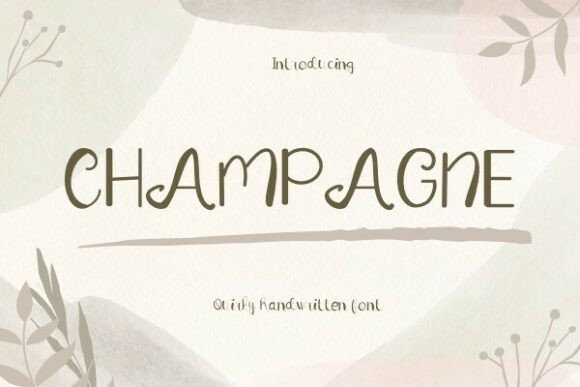
In the crowded landscape of digital typefaces, finding a font that truly captures personality and elegance can transform a good design into a memorable one. CHAMPAGNE is a uniquely designed handwritten font that effortlessly stands out, offering a perfect blend of casual charm and sophisticated flair for creative professionals.
Understanding the Visual Appeal of Champagne
This distinctive typeset is more than just letters; it's a canvas for bringing designs to life. Its flowing, organic strokes mimic authentic handwriting, which is a key element in modern graphic design for creating emotional connections. Unlike rigid, mechanical fonts, Champagne adds a human touch that strengthens brand identity and visual storytelling. This quality makes it particularly effective in a world where consumers crave authenticity and personalization.
Practical Applications in Modern Design Projects
The versatility of Champagne allows it to seamlessly integrate into a wide array of creative projects. Its adaptability ensures it can meet the demands of various design trends while maintaining its core aesthetic appeal. Consider its utility across these common professional scenarios:
- Branding and Logo Design: For brands aiming for a luxurious, personal, or artisanal image, Champagne serves as an excellent primary or secondary typeface. It is ideal for boutique logos, wedding stationery businesses, or high-end product branding where elegance is paramount.
- Marketing and Social Media Graphics: In digital marketing, capturing attention quickly is vital. Champagne is perfect for creating attention grabbing t-shirts, promotional banners, or social media graphics where a script font can highlight key messages and add stylistic emphasis without overwhelming the viewer.
- Editorial and Web Design: While large blocks of text require high readability, Champagne excels in visual hierarchy. Use it for pull quotes, article titles, or accent text in editorial design and web design to break the monotony of sans-serif fonts and guide the user's eye.
- Packaging and Merchandise: The font shines in packaging design, particularly for labels on cosmetics, gourmet foods, or beverages. It also translates beautifully onto physical items, making it an ideal choice for designing heartfelt greeting cards, wedding invitations, or adding style to everyday items like mugs.
Integrating Typography into Your Design Workflow
When selecting a creative asset like Champagne, designers must consider usability alongside aesthetics. A successful design workflow relies on assets that are versatile and compatible with existing systems. To ensure Champagne enhances rather than hinders your project, evaluate the following factors:
- Readability vs. Style: While script fonts are beautiful, they must remain legible at the intended size. Test Champagne at various scales to ensure it works for both poster headlines and smaller subheadings.
- Color Palette Compatibility: Typography does not exist in a vacuum. Assess how the font interacts with your chosen color palette. Champagne often pairs well with muted, pastel tones or high-contrast dark backgrounds to emphasize its delicate strokes.
- Visual Hierarchy: Use Champagne strategically to create contrast. Pairing it with a clean sans-serif font often yields the best results, allowing the script font to handle the creative heavy lifting while the secondary font ensures clear communication.
- Scalability and Mockups: Before finalizing a design, visualize how the typography holds up in real-world applications. Because Champagne integrates seamlessly into mockups, designers can easily preview how it will look on signage, apparel, or digital interfaces.
Ultimately, the goal of any visual design is to communicate a message effectively while creating a lasting impression. Whether you are working on UI design elements, advertising campaigns, or packaging, the typography you choose acts as the voice of your brand. By thoughtfully incorporating premium creative assets like Champagne, you ensure that your projects not only look polished and professional but also resonate deeply with your target audience, elevating the overall quality of your creative output.